
What Changes in Your Body When You Switch to Jaggery Instead of White Sugar?
Many people are starting to rethink refined sugar and here’s why jaggery is becoming a natural alternative worth exploring.
Ahmad Yasin Gani
3/15/20264 min read
Refined white sugar has been a daily part of many people's consumed around the world. It provides quick energy but excessive consumption of refined white sugar has also been associated with rising cases of insulin resistance, weight gain, and long-term metabolic disorders that often develop silently over time.
Many people only begin to reconsider white sugar after experiencing health warnings starting from elevated blood sugar levels, fatigue, or early symptoms related to diabetes.
This shift has encouraged people to search for more natural alternatives to white sugar. One natural sweetener that has gained attention is jaggery. A traditional sweetener made from the natural sap of various plants such as coconut palm, arenga palm, date palm, and sugarcane that has low sugar and more nutritions.
What is Jaggery?
Jaggery is one of the oldest natural sweeteners known in many tropical regions. Historically, it has been produced for centuries in South and Southeast Asia using traditional methods that cook natural plant sap into solid or granulated sugar. The production of this sugar begins with natural sap collected from coconut palm, arenga palm, date palm, and sugarcane. The sap is slowly boiled for 4-6 hours straight until it thickens and eventually hardens before being shaped into blocks, granules, or liquid.
Although widely known as jaggery, this traditional sugar has different names in various countries.
Indonesia it is known as gula merah / gula aren.
India it is commonly called gur,
Malaysia often referred to as gula melaka,
Thailand called as nam tan pip
This sweetener is also known for its rich and distinctive sweetness with subtle caramel-like notes. Its flavor is deeper and more complex which making it popular in both traditional and modern recipes.
Jaggery is widely used in various foods and beverages because of its natural sweetness and rich flavor. It can be found in desserts, bakery products, traditional sweets, drinks, and even some savory dishes.
Many people are more interested with jaggery because it is unrefined than white sugar and still retains some natural minerals from its source. For this reason, it is often considered a more natural alternative for those looking to reduce their consumption of highly processed sweeteners.
Which One is Better: Jaggery or White Sugar?
When refined white sugar goes through a highly industrial refining process, the natural components from the original plant source are removed to produce pure sucrose crystals. During this process, molasses and other natural substances are stripped away, leaving sugar that mainly provides sweetness and quick energy but contains very little nutritional value.
Because of this heavy processing, white sugar is often associated with sudden spikes in blood sugar levels when consumed in excess. Over time, excessive intake may contribute to various health concerns such as weight gain, metabolic imbalance, and increased risk of lifestyle-related diseases.
Jaggery, on the other hand, is produced using a much simpler and less refined method. The natural sap collected from palm trees or sugarcane is slowly boiled until it thickens and eventually solidifies, allowing many of the natural nutrients from the sap to remain in the final product.
Based on study by International Journal of Advanced Biochemistry Research, jaggery still contains amounts of essential nutrients such as vitamin, and minerals like iron, magnesium, and potassium, as well as trace proteins that come from the original plant source. Although these nutrients are present in modest amounts where they make jaggery a more natural sweetener compared to highly refined white sugar. In many traditional practices, jaggery is also valued for its potential health benefits. It is often believed to support healthy digestion, assist in certain beauty care routines, improve metabolism and help prevent or ease several respiratory issues.
Because of these characteristics, jaggery is not only appreciated for its sweetness but also for its broader role in traditional diets and natural wellness practices.
What Happens When You Replace Sugar with Jaggery
A study from Kumar & Singh (2019), jaggery offers nutritional advantages compared with refined white sugar because it retains natural minerals and nutrients from sugarcane. And some of them are:
Contains essential minerals such as iron, magnesium, potassium, and calcium, which contribute to overall nutritional intake.
Provides iron that may help support individuals with iron deficiency or anemia as jaggery naturally accumulates iron during the preparation process.
Releases energy more gradually than white sugar because of its more complex sugar composition and providing longer-lasting energy.
Contains trace minerals and phytochemicals from sugarcane which may contribute to antioxidant activity and other potential health benefits.
Not All Jaggery Is the Same
Interestingly, what many people refer to as jaggery does not always come from the same source. Jaggery can be produced from different types of plant sap such as sugarcane, coconut palm, or arenga palm. Each source gives the sugar its own unique characteristics.
These differences can affect the flavor, color, texture, and even the way the sugar is used in food preparation. Because of this, understanding the type of jaggery being used is important for both consumers and food manufacturers.


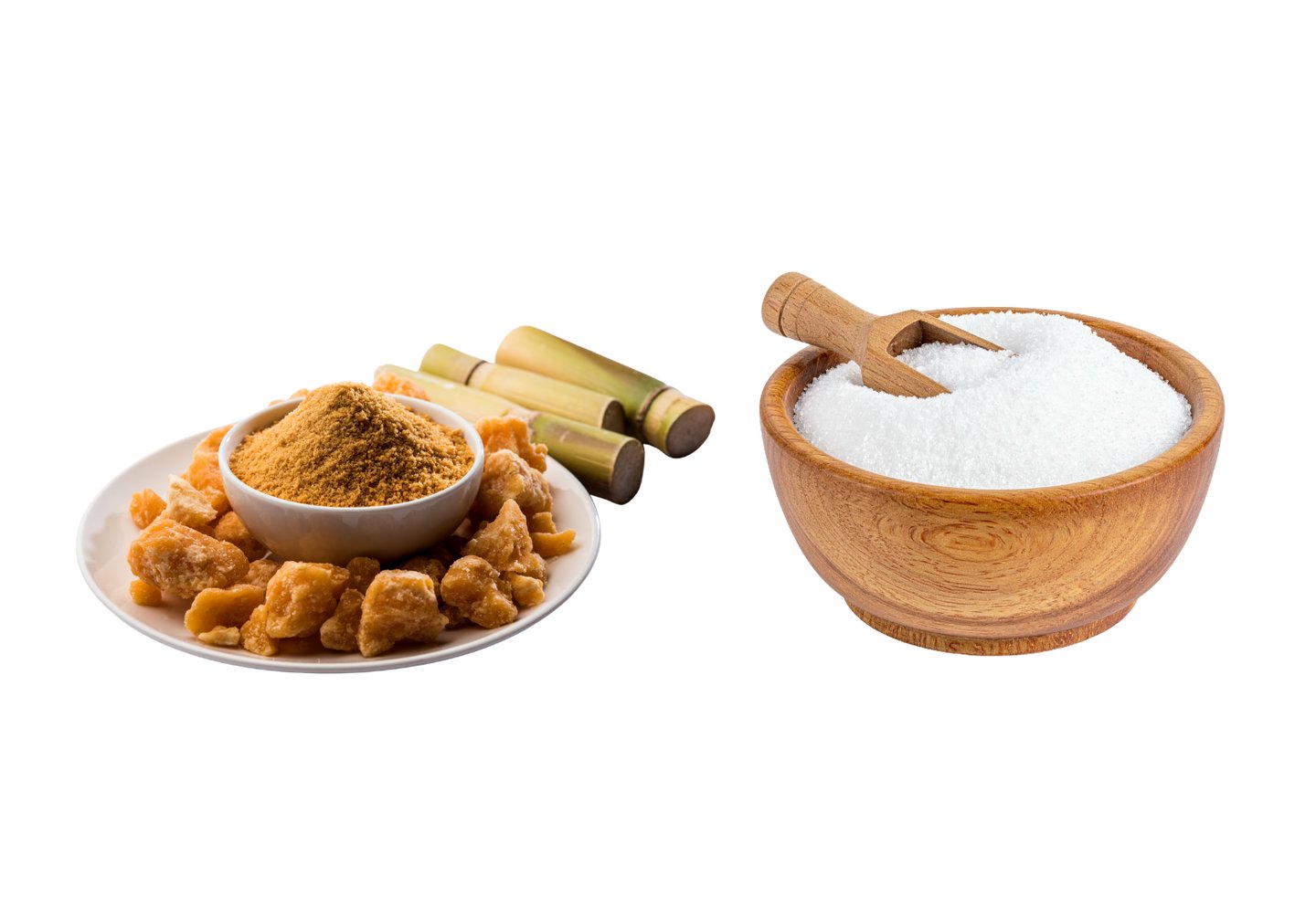
Source: The Habits Doctor
References:
(1)
Ukey, P. D., Ingale, V. M., Wategaonkar, S. B., Park, J. P., Pillai, P. K., Ghatge, J. S., Patil, S. B., & Khot, J. A. (2024). Jaggery making reforms, value addition and preservation: A comprehensive review. International Journal of Advanced Biochemistry Research, 8(1), 692–701.
(2)
Verma, P., Shah, N. G., & Mahajani, S. M. (2019). Why jaggery powder is more stable than solid jaggery blocks. LWT – Food Science and Technology, 110, 299–306.
(3)
Veerbhan, K., & Malik, A. (2025). The health halo of jaggery: Benefits beyond sugar, but a high glycemic index risk. Magna Scientia Advanced Research and Reviews, 14(2), 85–95.
(4)
Shirodkar, M. (2022, December 29). Jaggery (gud/gur): Uses, benefits, side effects and more. PharmEasy.
Get in touch for partnership inquiries.
Follow US More:
Contact Us
Email (✉︎) : official.indocai@gmail.com
Phone 1 (✆) : +62-817-7485-2801
Phone 2 (✆) : +62-856-786-7264
© 2025. All rights reserved.


Taste the Authentic Quality of Indonesia
Other Pages
Office Address: Jl. Pelikan Blok G3/5, Tangerang Selatan, Banten, Indonesia
Production Area: Pasuruan & Banyumas